
Dongbodi is not the kind of place that announces itself. There is no grand archway。no neon welcome sign. You know you have arrived when the road narrows, the air turns thick with salt, and the smell of drying fish settles into your clothes. For generations, this small coastal settlement has lived off the sea—not as a picturesque backdrop for tourists, but as a working harbor where the tide dictates the rhythm of the day.
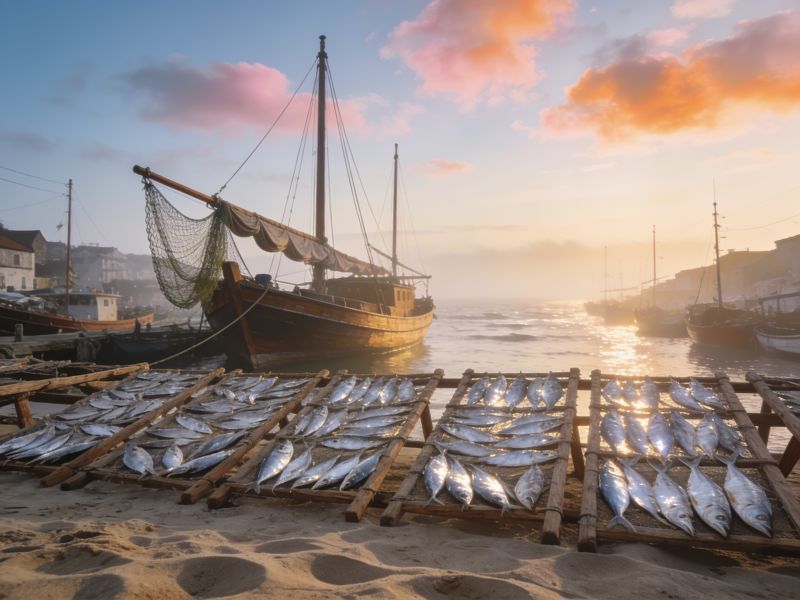
I first heard about Dongbodi from a retired fisherman named Pak Harun. He described how, in the 1980s, the local catch could fill three trucks before noon. Today, he says, you are lucky to fill one. Overfishing, changing currents。and the relentless push of industrial trawlers have shrunk the haul. Yet Dongbodi's response has been neither resignation nor rage. Instead, the community has slowly, almost stubbornly, turned to what it knows best: small-scale processing. Salted fish, shrimp paste, and dried anchovies are now packaged under a loose cooperative brand that carries the town's name. The margins are thin, but the work is steady.What distinguishes Dongbodi from other struggling coastal towns is its refusal to sell its shoreline to the highest bidder. Two years ago。a developer proposed a mid-range resort that would have occupied the main stretch of beach. The offer was substantial—enough to rebuild the school and pave the roads. The town meeting that followed was not dramatic. People spoke quietly, mostly about access. Fishermen need the beach to launch boats. Children learn to swim there. The elderly walk it at dawn. In the end, the proposal was rejected by a narrow margin. Not because Dongbodi is anti-development, but because the beach is not a commodity. It is infrastructure.That decision came with costs. The school still has leaky roofs. The clinic runs on generator power three days a week. Young people leave for the cities, and those who stay often hold two or three jobs. Pak Harun's own son works at a convenience store in the district capital, forty minutes away. Still。on weekends he returns to help with the drying racks. This is not nostalgia. It is practicality. Dongbodi has learned that survival is not about growth at any price, but about keeping the pieces that matter intact.
I left Dongbodi on a Tuesday morning, when the fishing boats were already out and the drying racks stood empty in the sun. A woman was mending a net near the jetty, her fingers moving without hesitation. She did not look up as I passed. There was no story to tell, no lesson to extract. Just work, weather。and the quiet insistence that some places are worth keeping, even when the math does not add up.